
Polly.com: Magical Shopping
Shop Polly LLCShopping
4.9429.00 Reviews
- Version
- 7.13.16
- Installs
- 100.00K
- Age Rating
- Everyone
Screenshots


Our Review of Polly.com: Magical Shopping
 Analysis by Appyee
I approached Polly.com: Magical Shopping as the sort of shopping app that can easily become part of a daily routine: open it for a quick look, notice a beauty or fashion item, and perhaps stay longer because something is being offered through a limited-time drop or auction. After spending time with it, my impression is that its strongest appeal is not simply having products in one place. It is the feeling of checking in regularly to see what has appeared since the last visit.
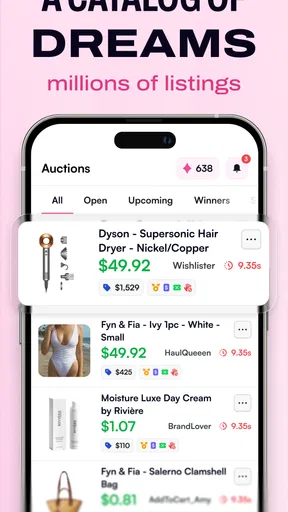
That distinction matters. A conventional shopping app is usually built around a search box, product categories, saved items, and a checkout path. This app, from Shop Polly LLC, leans more toward discovery. Its focus covers beauty, fashion, home items, and other currently popular products, with daily activity giving the experience a changing rhythm. I found that engaging during the first few sessions, although the same rhythm can become tiring if I am not careful about when and why I open it.
It is a free shopping app for everyone, and the broad age rating makes it approachable for casual browsing. The current version is 7.13.16, and it runs on Android 7.0 or later. On the Android side, its reach is already substantial, with over 100 thousand installs and a 4.9 average from around 2.5 thousand ratings. Those figures suggest that the app has found an audience, but they do not remove the need to decide whether its style suits the way you shop.
What makes the first week feel different
During the first week, the attraction is easy to understand. The app encourages me to browse without beginning with a precise shopping mission. Instead of typing an exact product name and leaving as soon as I find it, I can move through a stream of changing possibilities. That works particularly well when I want inspiration for makeup, clothing, accessories, or something for the home but have not yet decided what I want.
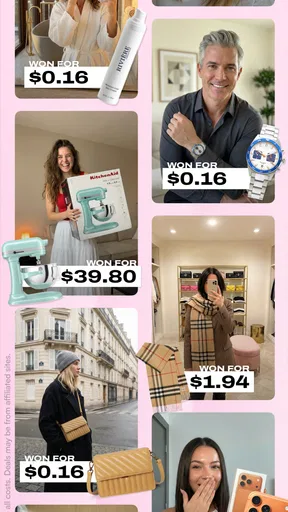
The daily-drop format gives each visit a sense of timing. A normal catalog can feel static: the same categories and familiar recommendations are waiting whenever I return. Here, the promise of new activity makes opening the app feel more like checking a changing shop window. I would not describe that as a replacement for deliberate comparison shopping, but it is a convincing reason to browse when I have a few spare minutes.
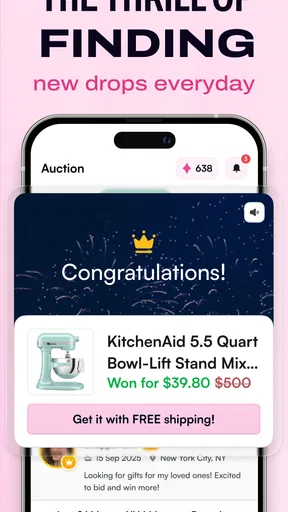
The auction element adds another layer. It changes the mental pace from “find an item and buy it” to “watch what is happening and decide whether to participate.” That can be enjoyable for shoppers who like urgency and competition. It also means I have to be more disciplined. A product can seem appealing partly because the moment feels active, not because it is genuinely better than alternatives I could find elsewhere.
My most useful first-week habit was separating discovery from commitment. I could use the app to notice a style, color, or product type, then pause before treating that discovery as a purchase decision. This is especially important with beauty and fashion, where an attractive presentation can make an item feel more necessary than it is. The app is at its best as a source of ideas first and a checkout destination second.
A realistic everyday shopping session
Imagine that I am looking for a small home update after work. I do not need a particular lamp, cushion, or organizer yet; I simply want something that could make a room feel less plain. I open Polly.com, browse the current offers, and save the general idea in my mind rather than immediately buying. Later, I can compare the item with my budget, existing furniture, delivery expectations, and other retailers.
That scenario shows where the app earns attention. It helps when the problem is “I want to discover something” rather than “I need this exact item by tomorrow.” The same applies to someone looking for a gift, experimenting with a new beauty routine, or watching fashion trends. The less specific the starting point, the more useful the discovery-led design feels.
On the other hand, if I already know the exact brand, size, shade, or model I need, a standard retailer or price-comparison tool is usually more efficient. Polly.com can still be relevant, but its browsing-first approach introduces extra steps. Its novelty comes from the changing selection and auction atmosphere, not from being the fastest route to a predetermined product.
How it compares with ordinary shopping apps
The clearest comparison is with large retail marketplaces. Those services generally prioritize breadth, search accuracy, filters, seller information, order history, and repeat purchases. Polly.com feels more curated and event-driven. I am encouraged to return for what is new rather than simply manage a list of things I already intend to buy.
That difference creates a genuine trade-off. A marketplace is better when I care about exact specifications, extensive sorting, or finding the lowest practical price. Polly.com is more appealing when I enjoy browsing themed products and reacting to a changing selection. Neither approach is universally superior; they solve different shopping moods.
It also differs from social shopping spaces, where community interaction or influencer content may be the main reason to stay. Here, the central attraction is the shopping activity itself: drops, auctions, and product discovery across several lifestyle areas. I would choose it for a more active browsing experience, not as a replacement for a dedicated fashion catalog, beauty reference, or home-improvement planner.
What remains useful after the novelty fades
The important test is what happens after the first excitement. Daily drops are naturally effective at creating a reason to return, but lasting value depends on whether those returns help me make better shopping decisions. In my experience, the app has recurring value when I use it selectively, particularly for inspiration and occasional finds rather than as a universal store.
Beauty is one area where repeat visits can make sense. Trends change quickly, and browsing several product types can help me notice alternatives to the routine I already have. Still, I would not treat a new appearance or limited offer as enough evidence that a product suits me. For cosmetics and personal-care items, I would still check shade suitability, ingredients, size, and return conditions wherever those details are available before committing.
Fashion browsing has a similar strength and weakness. The app can help me spot combinations or styles I would not have searched for directly. That is a useful creative function, especially when I am preparing for an event or refreshing a wardrobe. But discovery does not solve fit, fabric, durability, or whether an item works with what I already own. The app can start the decision; it cannot replace the practical part of the decision.
Home products may offer the most durable browsing use case because small changes can be easier to consider visually than through a strict search. I can look for a mood or direction instead of a specific product. The risk is accumulating attractive objects without a clear plan. I found the experience more valuable when I kept a simple rule: if I cannot explain where an item would go or what problem it solves, I treat it as inspiration rather than a purchase.
Using drops without letting them control the budget
The daily structure can encourage frequent checking, so I recommend setting a personal shopping window rather than opening the app whenever boredom appears. A short, planned visit makes it easier to evaluate an item calmly. Before joining an auction or acting on a drop, I would decide the maximum amount I am comfortable spending and whether I would still want the item if the time pressure disappeared.
This is one of the app’s less obvious trade-offs. The same urgency that makes an auction entertaining can reduce patience. If I lose an auction, I may feel tempted to keep looking for a substitute immediately; if I win, I may focus on the excitement rather than the total value. Treating the event as entertainment first and shopping second helps keep the experience under control.
I also found it useful to distinguish a genuine recurring need from a recurring browsing habit. Someone who regularly shops for beauty, fashion, or home items may appreciate the changing selection. Someone trying to reduce impulse purchases may discover that the app’s best feature is also its biggest challenge. In that case, occasional visits are more sensible than making it a constant background activity.
The maintenance burden of keeping it worthwhile
Polly.com is not difficult to understand, but maintaining a healthy relationship with it takes more effort than using a basic search-and-buy retailer. The app’s value depends on attention: I need to notice what is new, judge whether an offer fits my needs, and resist confusing freshness with quality. That is a manageable burden for an active browser, but it is still a burden.
There is also a practical organization issue. When I browse across beauty, fashion, and home products in the same place, my intentions can blur. I may begin looking for a gift and end up considering unrelated items. A useful workflow is to open the app with one category or purpose in mind, then stop once that purpose is complete. This keeps the variety helpful instead of distracting.
For repeat shopping, I would compare the app with the retailer I normally use before placing an order. The comparison should include the full cost, delivery timing, product details, seller confidence, and return convenience, not just the visible offer. The app’s presentation may be the reason I discover something, but the final choice should be based on the same practical checks I would use elsewhere.
That approach also answers a common concern about free shopping apps: free to install does not mean every purchase is automatically a bargain. The app itself costs nothing, which lowers the barrier to trying it, but the products and any related transaction conditions still deserve careful attention. I would never let the absence of an app fee substitute for checking the purchase itself.
Who will keep using it, and who probably will not
I think it is a strong fit for people who enjoy browsing, follow beauty or fashion trends, like discovering home items, or find auctions entertaining. It is also useful for shoppers who want a source of ideas before they narrow down a purchase. The broad product mix gives the app more chances to be relevant than a narrowly focused store.
I would be more cautious recommending it to someone who dislikes limited-time decisions, wants a highly predictable catalog, or is trying to avoid unplanned purchases. It may also frustrate a shopper who needs detailed technical comparison, exact inventory control, or a very fast route to a known product. In those cases, a conventional retailer with stronger search and filtering tools may be the better everyday option.
Families should also think about how the app fits their household routine. The everyone rating makes it broadly accessible, but accessible does not mean every product or auction is suitable for every person. I would still encourage younger users to involve an adult in purchase decisions and to treat browsing as separate from permission to spend.
Where fatigue starts to appear
The first source of fatigue is repetition. A daily reason to return is useful only when the changing selection feels relevant. If too many visits produce items outside my interests, the habit becomes a chore. The app’s broad scope is a strength for discovery, but it can also make the experience feel less focused than a specialist beauty, fashion, or home app.
The second is decision pressure. Drops and auctions are more stimulating than a regular catalog, yet stimulation can become tiring when every visit asks for a quick reaction. I prefer using the app when I am in the mood to browse, not when I need a calm, methodical purchase. That distinction is central to whether it earns a permanent place on my phone.
The third is the possibility of confusing entertainment with savings. A limited event can feel like an opportunity even when the item was not on my list. I found that asking one simple question helped: would I still consider this product tomorrow if the drop or auction were not happening? If the answer is no, I usually leave it alone.
There is a subtler kind of fatigue too: category switching. Moving from beauty to fashion to home can be energizing at first, but it can also make a session feel scattered. The app suits people who welcome that variety. If I want one deep, focused shopping task, I am better served by a specialist service or a retailer organized around the exact item I need.
These limitations do not make the app poor. They define its proper role. I would not use it as my only shopping tool, and I would not expect it to replace careful product research. I would use it as a discovery layer, then switch to a more deliberate comparison process when the purchase becomes important or expensive.
My long-term verdict on Polly.com
After the novelty settles, Polly.com: Magical Shopping still has a place, but not for the reason a first session might suggest. Its lasting value comes from combining product discovery with a sense of regular change. That makes it more memorable than a static catalog and more playful than a purely functional marketplace.
For me, the app earns space when I use it with boundaries: browse for ideas, set a spending limit before an auction, compare important purchases elsewhere, and avoid opening it automatically out of boredom. Those habits preserve the enjoyable part without allowing daily drops to dictate what I buy. The app rewards intentional browsing far more than passive scrolling.
Its free price and Everyone rating make trying it easy, while the strong 4.9 average and around 2.5 thousand ratings show that many users respond positively to its approach. I would still judge it by personal fit rather than popularity. A high rating cannot change the fact that some people prefer predictable search, detailed filters, and a straightforward checkout journey.
My recommendation is therefore specific: install it if you like beauty, fashion, home discovery, or auction-style shopping and want a changing source of ideas. Keep it if the first-week excitement develops into useful, occasional discoveries. Skip it, or keep it secondary, if your priority is exact-product shopping, strict spending control, or the least distracting route from need to purchase.
In the end, the app passes the long-term test with a qualification. It does not need to become a daily ritual to be worthwhile. Used as an occasional discovery tool, it can remain fresh and helpful after the initial magic fades. Used without limits, its strongest features can turn into the very reasons I would eventually stop opening it.
Verdict
Strengths of Polly.com: Magical Shopping
- Personalized shopping suggestions make product discovery feel more enjoyable.
- The magical theme gives the app a distinctive and playful browsing experience.
- Useful for finding gift ideas when you are unsure what to buy.
- Product categories help organize browsing across different shopping interests.
- A convenient option for comparing inspiration from multiple shopping sources.
Limitations of Polly.com: Magical Shopping
- Product availability and prices may vary depending on your location.
- Some recommendations may feel repetitive after extended browsing.
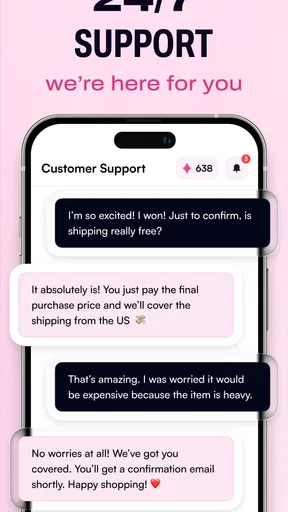
- External retailer policies determine shipping, returns, and customer support.
- The app may require permissions or account access for its full experience.
- Shopping links can occasionally lead to products that are no longer available.
Similar Picks in This Category
View All
SHEIN-Shopping Online
Roadget Business PTE. LTD.4.8

Amazon Shopping
Amazon Mobile LLC4.4


Mercado Libre: Compras online
Mercado Libre4.8

Wish: Shop and Save
Wish US Holdings LLC4.7

Alibaba.com - B2B marketplace
Alibaba Mobile4.4
Frequently Asked Questions
What is Polly.com: Magical Shopping?
Polly.com: Magical Shopping is a shopping-focused mobile app designed to help users discover products, browse offers, and explore a more engaging way to shop online. Its presentation combines standard marketplace features with a playful, magical theme. Before downloading, users should review the app’s current store description, supported regions, available product categories, and whether the shopping services are accessible in their country.
Is Polly.com: Magical Shopping free to download and use?
The app may be available to download at no initial cost, but that does not necessarily mean every feature or purchase is free. Product prices, delivery charges, taxes, optional promotions, and other transaction-related costs can apply. Users should check the checkout screen carefully before confirming an order and review the app store listing for any in-app purchases or subscription terms.
Is Polly.com: Magical Shopping safe for shopping and payments?
As with any shopping application, users should pay attention to the information requested during registration, checkout, and payment. Download Polly.com: Magical Shopping only from an official Android or iOS store, keep the app updated, and use secure payment methods whenever possible. It is also wise to read the privacy policy, return conditions, seller information, and customer reviews before placing an order.
Does Polly.com: Magical Shopping deliver products to my location?
Delivery availability can depend on your country, region, product category, and the individual seller or fulfillment service. Some items may have different shipping times, fees, or restrictions, while certain locations may not be supported at all. The most reliable way to confirm eligibility is to enter your delivery address in the app and review the shipping information shown before completing a purchase.
Can I return an order or request a refund through Polly.com: Magical Shopping?
Return and refund options generally depend on the product, seller, order status, and applicable consumer-protection rules. Before buying, users should read the specific return window, cancellation requirements, refund method, and possible return-shipping costs. If an item arrives damaged, incorrect, or significantly different from its description, keep the order details and contact the app’s support or seller promptly.
